The Mets’ 1998 Season
The 1998 season was a pivotal period for the New York Mets, characterized by high expectations and significant media attention. Coming off a disappointing 1997 season, the team aimed to reclaim their competitive edge in Major League Baseball. Their off-season consisted of bringing key players in to help them get over the hump…
- November 24, 1997: John Olerud was signed as a free agent with the New York Mets.
- December 18, 1997: Dennis Cook was acquired from the Florida Marlins in exchange for Fletcher Bates and Scott Comer.
- February 6, 1998: Al Leiter and Ralph Milliard were acquired from the Florida Marlins in exchange for A. J. Burnett, Jesus Sanchez, and Robert Stratton
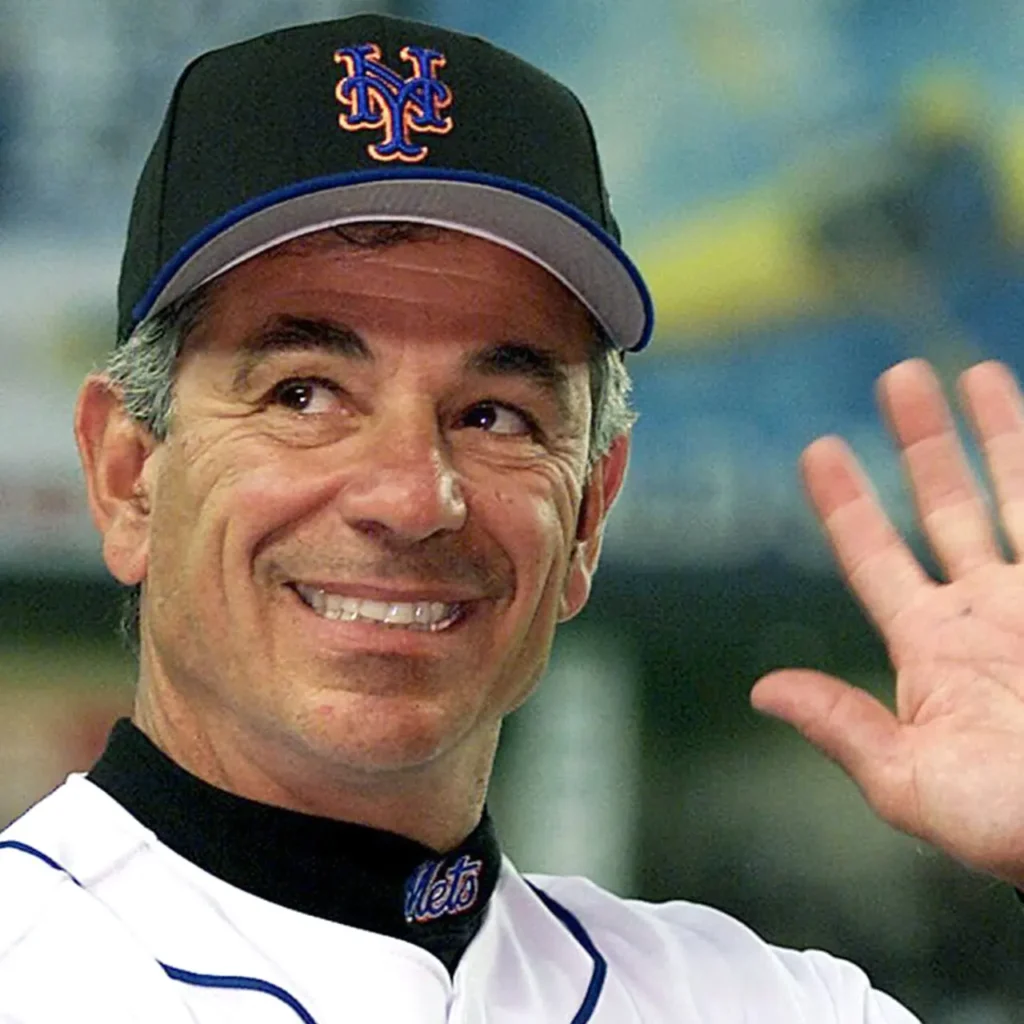
Under the leadership of manager Bobby Valentine, the Mets showcased a blend of established veterans and promising young players. Valentine, known for his strategic acumen and eclectic style, faced immense scrutiny as he attempted to steer the team toward success. As the season progressed, the Mets garnered a reputation for inconsistency, often oscillating between periods of triumph and defeat. Their performance was closely monitored by fans and commentators alike, generating a wave of speculation regarding the team’s direction and Valentine’s effectiveness as a leader.
This season was particularly crucial as it set the stage for a dramatic narrative that unfolded within the confines of Shea Stadium and beyond. Mike Piazza was traded to the Mets from the Florida Marlins on May 22, 1998, in exchange for Preston Wilson, Ed Yarnall, and Geoff Goetz. Piazza had only played a handful of games for the Marlins after being acquired in a prior trade from the Los Angeles Dodgers. He became an extremely popular player, leading the Mets to an NL pennant and a World Series appearance in 2000.
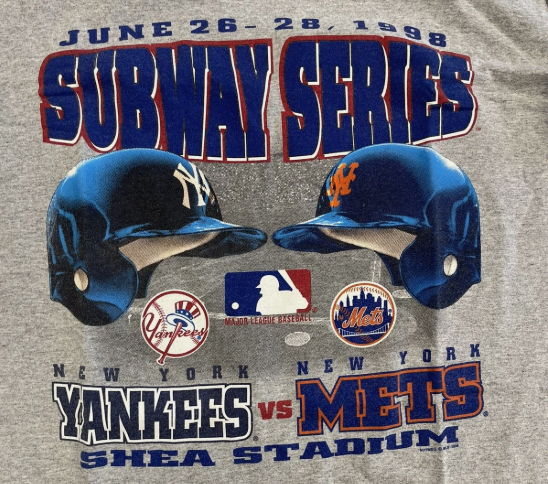
Amidst this atmosphere, the Subway Series against the crosstown rival New York Yankees emerged as a focal point of the season. The stakes were particularly high, as these matchups not only embodied the rivalry between the two teams but also symbolized broader city pride. The intense media coverage surrounding the series amplified the pressure on both teams, especially the Mets, who were eager to prove their mettle against the dominant Yankees. The implications of these games extended beyond mere wins and losses; they also affected player morale, management decisions, and ultimately, the perception of the Mets’ season.
The Subway Series: A Night of Controversy
The Subway Series on June 26, 1998, between the New York Mets and the New York Yankees created an atmosphere ripe for tension and drama. As the game unfolded, fans packed into Shea Stadium, expecting an exhilarating night of baseball, only to be immersed in controversy that would resonate long after the final score was tallied. The stakes were high; the rivalry between the two teams fueled passion in the stands, but it was the decisions made on the field that would ignite heated discussions.
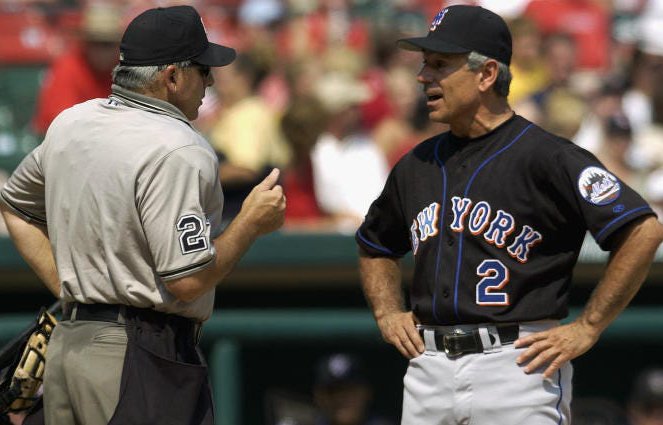
As the game progressed to the critical seventh inning, the tensions escalated significantly. With the Mets trailing, Bobby Valentine faced a pivotal decision regarding pitching strategy. He opted to bring in Mel Rojas to face Yankees’ left-handed hitters, a controversial move considering the presence of capable left-handed options in the bullpen. Fans and analysts alike were perplexed by this choice, sparking immediate reactions from the enthusiastic crowd. Many critics suggested that a left-handed pitcher would have been a more prudent option in that scenario, citing Rojas’s struggling performance in previous outings against lefties.
The atmosphere was electric, filled with palpable anxiety as fans watched Rojas take the mound. The strategic choices made by Valentine were closely scrutinized, with each pitch contributing to the mounting tension. As fate would have it Rojas’ first pitch to Paul O’Neill was a Yankees homerun, the Mets’ decision to rely on Rojas led to significant runs being scored, directly impacting the game. The discontent among the fans grew, resulting in a wave of boos that echoed throughout the stadium. The combination of strategic gambles and the charged fan reactions culminated in a night characterized not just by the unfolding game but by the controversial decisions that would haunt Valentine and the Mets in the days to follow.
McCarver said that Bobby Valentine should have brought in Brian Bohanon, a lefty, not the right-hander Mel Rojas, to relieve the injured Al Leiter and face Paul O’Neill, a left-handed batter.
Valentine had a rationale: left-handed hitters were batting .182 against Rojas.
“I said it was the wrong move, and, first pitch, O’Neill hit a home run,” McCarver said in a telephone interview. The Yankees won, 8-4.
*****IF YOU SKIP TO THE 2 HOUR MARK IN THE ABOVE VIDEO, YOU WILL SEE THE ROJAS-MCCARVER-VALENTINE INNING*****
Tim McCarver’s Critique: The Turning Point
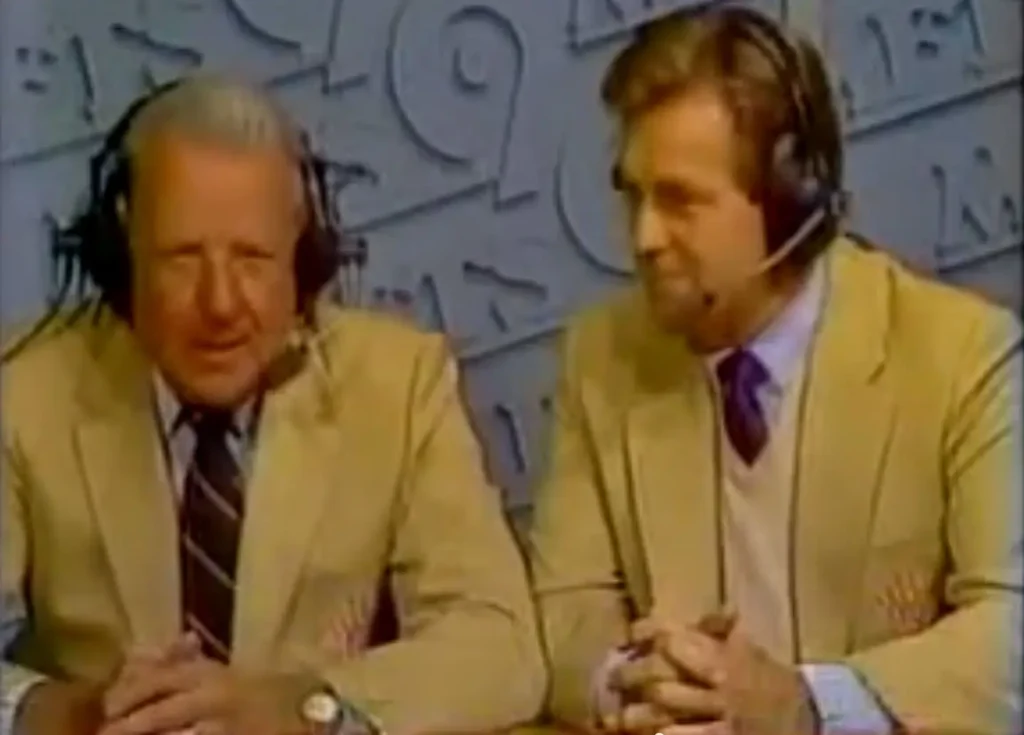
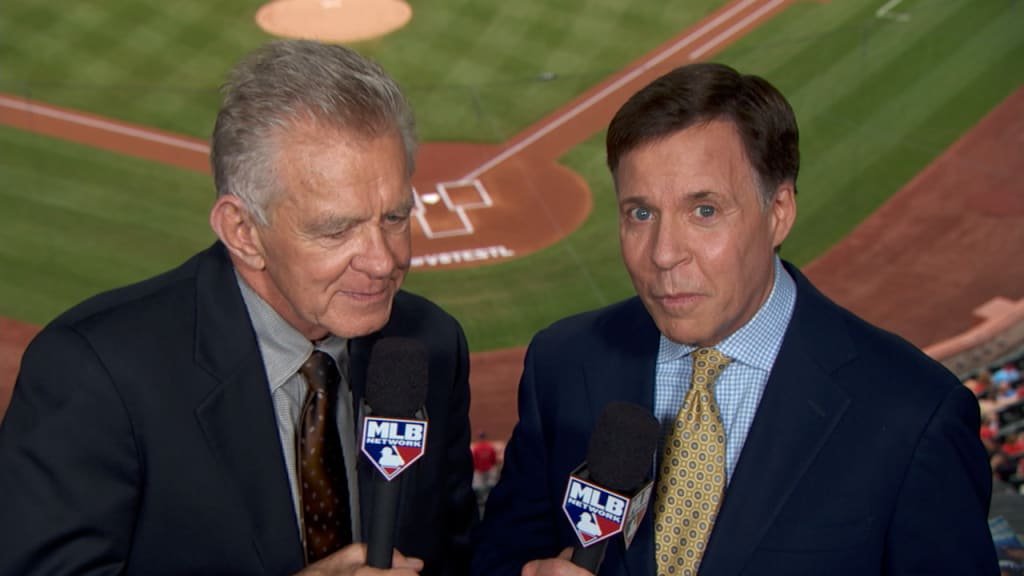
Tim McCarver, a respected broadcaster and former professional catcher, had a significant influence on the discourse surrounding managerial decisions during the 1998 New York Mets season, particularly regarding Bobby Valentine’s pitching choices. As a color commentator, McCarver brought not only his years of on-field experience but also an analytical perspective that resonated with viewers and listeners alike. When Valentine, amid a heated game, chose to opt for a pitching change that raised eyebrows, McCarver was quick to voice his concerns. His immediate reaction was not merely a reactionary commentary but reflected a deeper analysis rooted in his understanding of the game.
The fallout from McCarver’s commentary was palpable within the media circles and among fans. His critique fueled discussions and debates in sports media, showcasing the role of analysts like McCarver in shaping public perception of managerial effectiveness. This incident foreshadowed an ongoing conflict between Valentine and the media, setting a stage that highlighted the fraught relationship often present in high-stakes sports environments. As McCarver’s remarks circulated, they quickly became a talking point, drawing varying opinions from fans and analysts alike on Valentine’s leadership and tactical choices.
Bobby Valentine’s Rationale: A Manager’s Perspective
Bobby Valentine, the manager of the New York Mets in 1998, faced what many would describe as an insurmountable challenge: leading a team through a media storm while making pivotal decisions that would ultimately affect the season’s outcome. One of the most controversial choices Valentine made was the decision to pitch Rojas against O’Neill instead of bringing in a lefty. This decision was not made lightly, as it stemmed from a thorough analysis of Rojas’s performance metrics and the overall strategy Valentine believed would provide the best chance of success.
Valentine’s rationale was deeply rooted in the statistics available at the time. He took into account Rojas’s pitching velocity, his strikeout-to-walk ratio, and performance against the opposing lineup. By analyzing past games, Valentine believed that Rojas had a potential advantage that could be leveraged. This analytical approach to decision-making was indicative of Valentine’s management style, which favored data over intuition but was still influenced by the dynamics of the game itself.
Media Backlash: The Response from WFAN
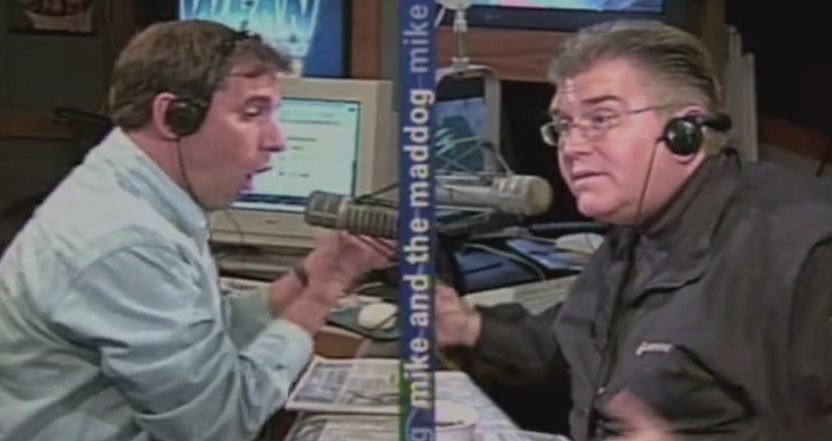
The aftermath of Tim McCarver’s commentary regarding Bobby Valentine in 1998 reverberated throughout the local media landscape, particularly at WFAN, New York’s premier sports radio station. Prominent hosts Mike Francesa and Chris Russo seized upon McCarver’s remarks, using their platform to amplify the growing scrutiny surrounding Valentine’s managerial capabilities. Their passionate discussions not only reflected the sentiments of many listeners but also played a substantial role in shaping public opinion toward Valentine, leading to a highly polarized debate about his fitness for the position.
Francesa and Russo were known for their candid opinions and their critiques of Valentine were particularly poignant. They argued that McCarver’s analysis highlighted broader questions regarding Valentine’s strategies, decisions, and overall leadership style. This reaction was particularly impactful given WFAN’s influence in the sports community, a realm where the perspectives of media figures often translate into significant public sentiment. Francesa’s analytical approach contrasted sharply with Russo’s more vitriolic style, creating a dynamic dialogue that captivated a disgruntled fan base seeking explanations and accountability.
Moreover, the criticism from these influential voices resulted in heightened pressure on Valentine from both fans and the front office. The discourse created by Francesa and Russo intensified the public’s focus on Valentine’s performance, contributing to a narrative that framed him as a controversial figure within the Mets organization. As media sentiment swayed, it sparked a wider conversation on the responsibilities of the press in scrutinizing sports figures and how such coverage can drastically impact an individual’s career trajectory. Hence, the duo’s commentary became a pivotal element in understanding the multifaceted relationship between media scrutiny and managerial efficacy, illustrating the powerful role local sports media plays in shaping the narrative surrounding professional athletes and managers.
Personal Tensions: Bobby Valentine vs. Tim McCarver
The relationship between Bobby Valentine and Tim McCarver emerged as a notable subplot during the tumultuous 1998 New York Mets season. At its core, their interactions revealed the complexities that can arise when personal rivalries intertwine with professional responsibilities. Valentine, who was appointed as the Mets’ manager, found himself at odds with McCarver, a prominent baseball analyst who offered commentary during the team’s games. Animosity began to surface when Valentine openly expressed his discontent with McCarver’s role, suggesting that he should be removed from his analyst position. This public confrontation amplified the rift between the two, affecting the atmosphere surrounding the Mets during a pivotal season.
Valentine’s critiques toward McCarver weren’t merely personal grievances; they illustrated deeper issues within the Mets’ organization. By seeking to undermine McCarver’s credibility as an analyst, Valentine seemed to challenge the very foundation of the broadcast’s authority and integrity. This conflict created a narrative that transcended the ballpark, drawing attention from fans and sports media alike. The clash highlighted how personal tensions can harbor within sports, complicating relationships that may otherwise maintain a level of professionalism. Furthermore, it showed how such disputes can cascade into decisions impacting the team’s dynamic and performance.
The Fallout: Consequences for McCarver
The 1998 season was marked not only by the struggles of the New York Mets but also by the intense scrutiny and criticism levied by sports commentators, particularly Tim McCarver. Following his critical assessment of the team’s manager, Bobby Valentine, McCarver found himself at the center of a media firestorm that had significant repercussions for his broadcasting career. His critique was perceived as a challenge to the organization, and as a result, it impacted his position within the public eye. The backlash not only affected McCarver’s reputation as an analyst but also cast a spotlight on the embargo surrounding critical commentary within sports broadcasting.
In light of the heightened tensions, Mets management faced considerable pressure from both the media and the fanbase to act decisively. They were tasked with balancing their public image against the freedom of expression that sports analysts traditionally enjoy. Ultimately, management chose to dismiss McCarver from his analyst role. This action raised questions about the extent to which management should have the authority to control narratives that emerge from independent commentary, especially when such commentary is intended to foster insightful discussions about the team’s strategies.
At the end of the day, Tim McCarver was known for harping endlessly on a decision he did not agree with. Deion Sanders was a prick but he dumped water on McCarver for a similar reason if I remember. Valentine made a gut decision to bring Rojas in and it didn’t work. Many baseball fans long for games like this in 2025 where managers made decisions on their own instead of by an analytics spread sheet or even worse , a call from upper management.