Introduction
The coinciding tenures of Don Imus and Howard Stern at WNBC in New York City during the early-to-mid 1980s represent a watershed moment in American radio history. Both men were—and still are—regarded as pivotal figures in the shock-jock genre: Imus, whose irreverent “Imus in the Morning” show set the stage for boundary-pushing radio in the preceding decade, and Stern, the “King of All Media,” whose incendiary wit and confessional approach redefined drive-time talk. Their time together at WNBC from 1982 to 1985 was punctuated by a notorious rivalry, dramatic shifts in station management, and significant cultural controversy, all played out against the dynamic backdrop of New York’s fiercely competitive broadcasting landscape. This report provides an in-depth analysis of the timeline of their overlapping tenure, their direct and indirect interactions, the broader context of WNBC’s programming in that era, and the key controversies and events that both reflected and shaped radio’s transition into the modern age.
Timeline of Tenure: Don Imus and Howard Stern at WNBC
To understand the evolution of WNBC and the combustible combination of Imus and Stern, a precise chronology is essential. Both had storied careers that intersected at a critical juncture in radio history, and their tenure at WNBC directly overlapped in the early-to-mid 1980s.
Don Imus’s Tenure at WNBC
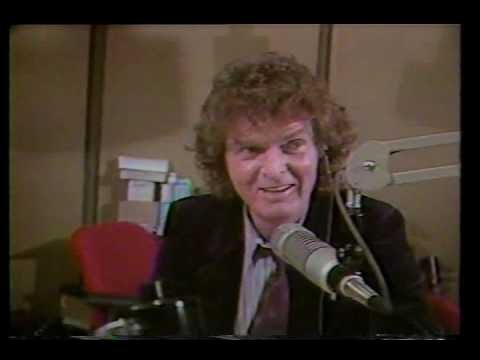
Don Imus’s relationship with WNBC began in December 1971, when he took over the morning slot in New York, instantly making waves with his blend of satirical characters and shock humor. Imus remained the station’s dominant morning voice until a general purge of on-air staff in 1977, which included his departure amid personal and industry upheaval. After a brief stint at WHK in Cleveland, Imus was rehired at WNBC in September 1979, resuming his morning show and staying until the station signed off in October 1988, then transitioning to WFAN.
Howard Stern’s Tenure at WNBC
Howard Stern joined WNBC in August 1982 as the afternoon drive host after successful stints at WWDC in Washington, D.C. and other regional stations. Hired with great anticipation and braggadocio, Stern was seen as a young, controversial talent ready to shake up the more staid elements of network radio. He remained at WNBC until September 1985, when he was abruptly terminated for what management termed “conceptual differences” regarding his show’s content.
Timeline Table: Key Dates and Events
Below is a table summarizing the major milestones for Imus and Stern at WNBC. Immediately following the table, a detailed exploration of each period adds context and analysis.
| Year/Date | Don Imus | Howard Stern | WNBC/Industry Events |
|---|---|---|---|
| Dec 1971 | Hired as WNBC morning host | Imus in the Morning debuts | |
| Aug 1977 | Fired in mass purge | WNBC staff overhaul; AC/Top 40 shift | |
| Sept 1979 | Rehired at WNBC (morn.) | John Lund as Program Director; Imus returns | |
| Aug 1982 | Established morning host | Hired for afternoons | Stern joins WNBC; PD Kevin Metheny in charge |
| 1982–1985 | Morning host | Afternoon drive host | Direct overlap; management/format turmoil |
| Sept 1985 | Morning host | Fired from WNBC (Sept) | “Conceptual differences” cited |
| Oct 1988 | Moves to WFAN after WNBC closes | End of WNBC; rise of sports radio |
The crux of the Imus–Stern dynamic, and much of the station’s controversy and notoriety, is rooted in the three-year period from August 1982 to September 1985, when both men were at WNBC and their personal/professional rivalry was at its peak.
On-Air Interactions, Rivalry, and Collaborations
The intersection of two “shock jocks” at legacy station WNBC was not just an unusual programming gamble—it was a crucible for a culture war, both behind the scenes and on the airwaves. In the process, Stern and Imus cultivated (and exploited) an acrimonious on-air rivalry that has since become legendary in media history.
Public Rivalry and Personal Barbs
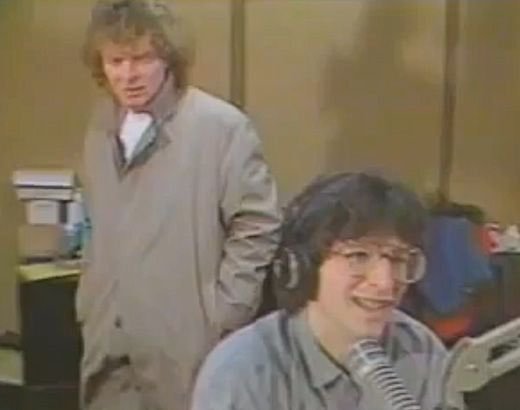
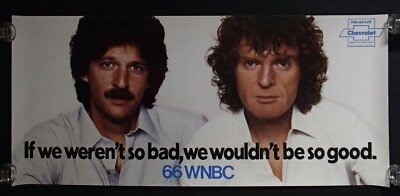
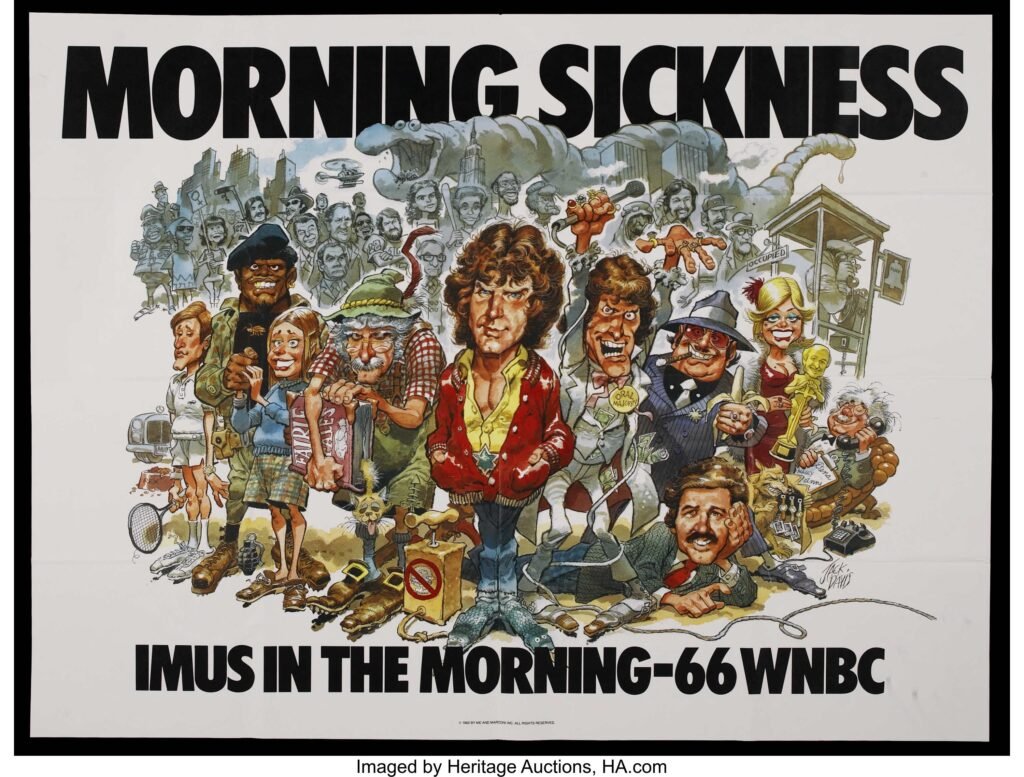
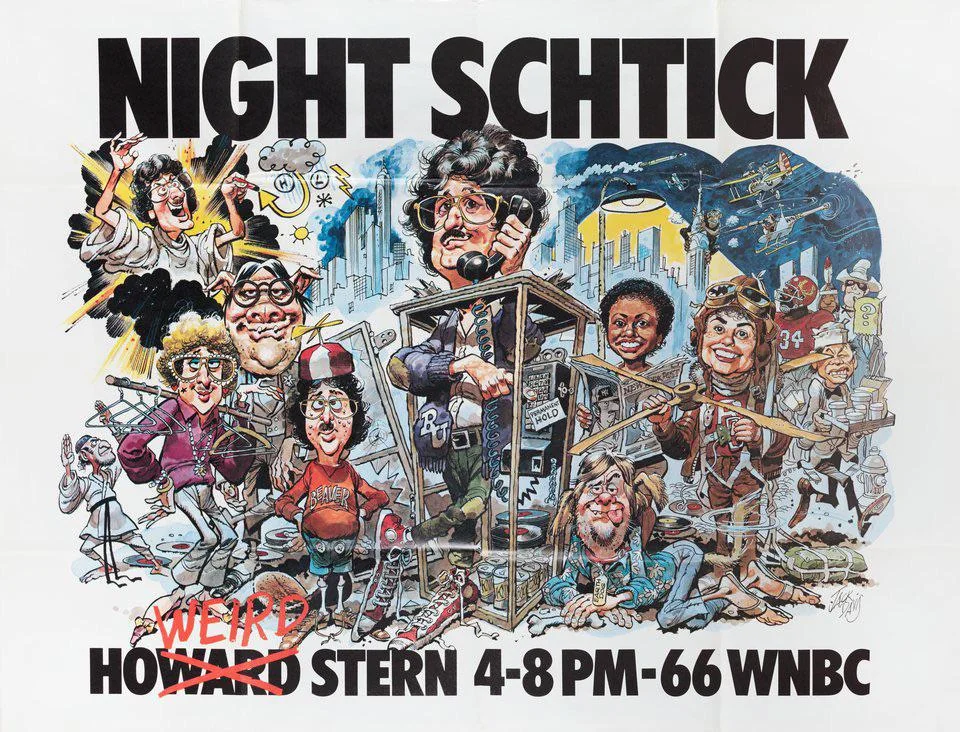
From the outset, Don Imus and Howard Stern were positioned as competitors, not collaborators. Management, recognizing the promotional value, often juxtaposed the brash newcomers with the established Imus in station ads and newspaper spreads, further fueling speculation and anticipation. Nevertheless, their antagonism was not confined to PR. Stern, famously unafraid to court controversy for ratings, regularly needled Imus on air, mocking his alcohol use and making fun of his southern persona and aging shock-jock identity. Imus, whose own show had paved the way for irreverent radio but who resented Stern’s upstart success and younger demographic pull, returned the sentiment in kind—sometimes with on-air critique, other times with even more pointed (and, in hindsight, racially and ethnically fraught) insults.
For instance, Imus once referred to Stern as “a slut… a Jew bastard… put him in the oven,” in a notorious quip emblematic of Imus’s capacity for outlandish, bigoted humor that would later contribute to his own downfall. Many colleagues and listeners at the time were unsure how much was theatrics and how much was genuine resentment—a line blurred by the station’s own promotional tactics and the fierce competitive environment both men fostered.
Notable Interactions and On-Air Skirmishes
Their direct on-air interactions, while infrequent, were electric when they occurred. Audio archives exist, such as an infamous 1985 call-in where a clearly irritated Imus confronted Stern on his show, leading to a back-and-forth of jabs and taunts that entertained listeners and reinforced their adversarial image.
A vivid (if dramatized) depiction is offered in the film “Private Parts,” where a fictionalized Imus, upon hearing that Stern is outside his office, yells, “Well, I’m not gonna meet that stupid fuck. He’s nothing. [to Howard] Fuck off!”. While the specific dialogue is exaggerated, it captures the essence of their relationship: barbed, performative, but ultimately part of WNBC’s ratings strategy, as the heightened sense of a “feud” drew listeners.
Collaborative Promotions and Station Advertisement
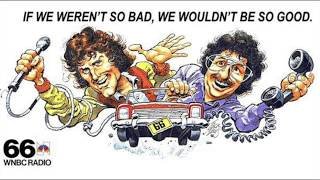
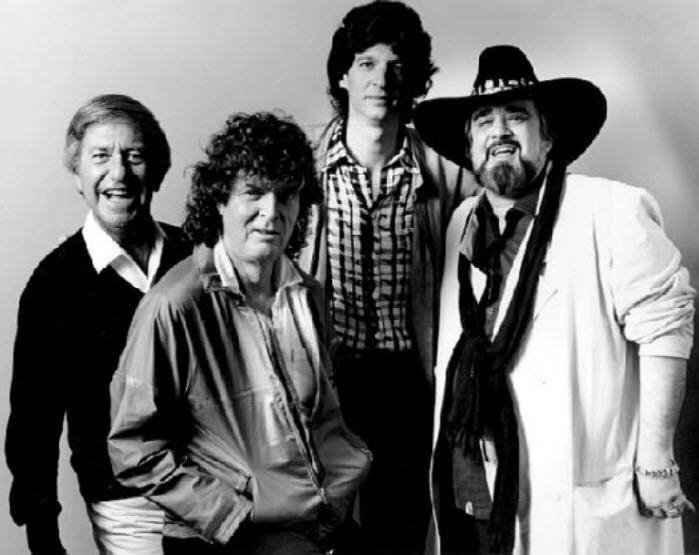
Despite the real animosity, management at WNBC saw the duo’s push-and-pull dynamic as a promotional goldmine. Print and television advertisements in the mid-1980s often featured Imus and Stern together, alongside other larger-than-life station personalities such as Soupy Sales and Wolfman Jack. One 1985 promo, for example, included all four, symbolizing WNBC’s eclectic, star-driven new identity.
Such marketing not only embraced the clashing egos but encouraged listeners to invest in their rivalry as a spectator sport. This tactic was effective, with fans often picking “teams” and engaging in fierce debates about who was funnier, more daring, or more transgressive—helping to boost ratings across both time slots.
The Programming Context and Management Shifts at WNBC
The era in which Imus and Stern overlapped was one of significant transition for WNBC. The once-dominant AM giant was struggling to reinvent itself amid the rise of FM, shifting musical tastes, and the growing banality of mainstream radio. This flux, along with frequent management turnover, directly impacted the environment in which Imus and Stern operated.
WNBC Programming in the 1970s: The Roots of Shock Radio
During the early 1970s, WNBC sought to find footing in a rapidly changing music and talk landscape. The hiring of Don Imus in 1971 is often marked as the station’s first major foray into what would later be identified as “shock jock” radio—irreverent, provocative, and personality-driven. The model at the time attempted to capture the youth market (and WABC’s Top 40 audience) while also retaining adults via familiar voices and more standard fare.
The station’s roster in the ’70s included radio luminaries like Murray the K, Wolfman Jack, Cousin Brucie (Bruce Morrow), and others—each representing a different aspect of musical or morning-drive culture. The overall format oscillated between Adult Contemporary, hybrid Top 40, and Oldies, frequently shifting in search of a winning formula.
By the late ’70s, however, a general purge—implemented by Program Director Bob Pittman (who would later go on to found MTV)—saw the dismissal of many veteran personalities, including Imus, as management attempted to court a modish, “current” sound with younger jocks. Ratings, despite these changes, did not significantly improve, and by 1979, Imus was back, this time as part of an increasingly personality-driven approach, signaling WNBC’s recognition that star talent, rather than mere playlists, was the future of AM radio.
The 1980s: Rise of Personality-Driven Radio
By the beginning of the 1980s, WNBC had evolved into a unique hybrid: its format was a blend of Adult Contemporary, Top 40 hits, and heavy doses of news and talk elements—a “full service” station in the parlance of the era. Imus’s morning show was a centerpiece, renowned for satirical skits, prank calls, and celebrity interviews. The station still played music in off-peak hours but relied increasingly on personalities to anchor ratings.
The arrival of Howard Stern in August 1982 marked a further commitment to personality—if also a descent into greater internal and external chaos. Stern was brought in by Kevin Metheny (nicknamed “Pig Virus” by Stern in real life and immortalized as “Pig Vomit” in “Private Parts”) and was intended to inject the afternoons with a more youthful, irreverent spirit (and, management hoped, audience) while Imus reigned over mornings. The two hosts, while stylistically distinct, shared shock-jock sensibilities and a willingness to court controversy; their effect was to make WNBC a lightning rod for both ratings and complaints.
Management and Format Volatility
Throughout this period, WNBC was defined by churn at the leadership level and an inability to settle on one consistent format or programming vision. According to industry recollections and trade press from the period, program directors cycled rapidly, each implementing tweaks or full-scale overhauls before moving on due to departures (voluntary and otherwise).
This volatility was part of what shaped the Imus–Stern dynamic. Both men were at times supported and at other times censored by management, depending on the latest directive to chase ratings, maintain corporate decorum, or avoid legal blowback. The hire-first-fire-later approach, especially as station ownership neared change (NBC would later sell WNBC to Emmis Communications in 1988), made for an environment where irreverence was both encouraged and constantly a hair’s breadth away from being punished.
Audience Ratings and Market Position
Although WNBC was never able to regain the AM dominance enjoyed in its earlier decades, the station saw ratings stabilization and occasional surges during the Imus–Stern period. Imus’s morning show, in particular, was a consistent ratings leader, especially among the lucrative 25–54 male demographic. Stern, too, began establishing himself as a ratings juggernaut “when not censored” by management, eventually outpacing rival afternoon slots and cementing his reputation as a market disruptor.
Indeed, the dual approach of amusing early risers with Imus’s wit and stirring up the afternoon commute with Stern’s bombs proved nationally influential. Other stations, sensing the trend, would eventually try to mimic the formula (with varying degrees of success). However, the combination also made WNBC a frequent target of the Federal Communications Commission, advertisers wary of brand risk, and internal critics who feared escalating complaints would doom the station.
Technological and Studio Environment
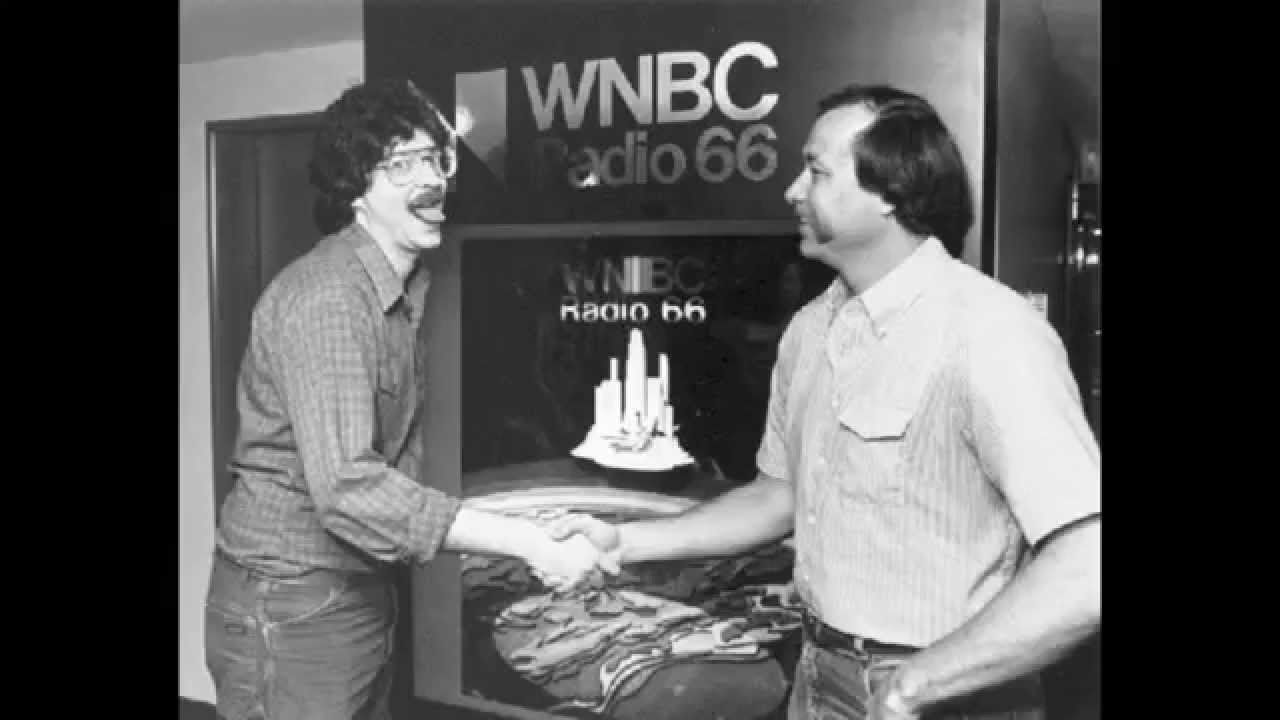
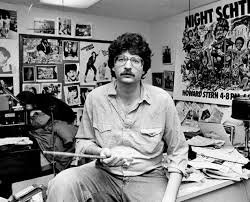
Both Imus and Stern operated out of NBC Studios at 30 Rockefeller Plaza, an iconic Art Deco building in midtown Manhattan that housed not only WNBC radio but the flagship NBC television studios. The radio studios were considered state-of-the-art for their time but decidedly more workaday than the television side, often described by both men as cramped, slightly outdated, and overwhelmed with “old-school” NBC memorabilia.
Studio innovations during this period were modest, but the atmosphere—mixing new voice-activated technology with legacy analog hardware—allowed for both the eccentric “morning zoo” sound pioneered by Imus and the staged production pranks engineered by Stern and his growing cadre of supporting cast. Both men’s shows were run with a small army of engineers, writers, and sidekicks, many of whom would go on to significant later success, reflecting the “team” (yet cutthroat) ethos of top-tier radio.
Controversies, Notable Events, and End of the WNBC Era
The collision of Imus’s and Stern’s personalities, the daring nature of their material, and the broadcast environment of early-’80s New York led to no shortage of headline-grabbing controversy. These episodes both reflected and fueled larger anxieties in American media about “decency,” free speech, and the changing boundaries of acceptability in mass culture.
Representative Controversies
On-Air Rivalry and Accusations
The on-air skirmishes between Imus and Stern are the stuff of broadcast legend. Each would routinely insult the other on their shows—Imus sometimes dismissing Stern as unoriginal and juvenile, Stern mocking Imus’s age, reported substance abuse, and “has-been” status.
Both also trafficked in shock, and the racial, sexual, and ethnic barbs that accompanied their attacks on each other and on public figures in general drew frequent ire from advocacy groups and watchdog organizations. Imus, in particular, had a long history of racially charged content, going so far as to refer to Stern as “a Jew bastard” and “should be castrated, put in an oven.” Such remarks would later haunt Imus’s career, but they played a part in solidifying his image as someone who “would say anything” during the WNBC years.
FCC Complaints and Advertiser Boycotts
The increased scrutiny of both Imus’s and Stern’s shows by the FCC led to a raft of fines and warning letters during the early-to-mid 1980s—this period marked the burgeoning of so-called “indecency” crackdowns, culminating in the much larger regulatory battles Stern would face later at WXRK (K-Rock) and Imus at WFAN. At WNBC, both hosts managed to evade more significant penalties, generally by walking back the most egregious jokes or under pressure from upper management. However, persistent criticism had a chilling effect: it led to content being placed on delay, internal memos warning of future discipline, and ultimately, dismissals.
The Firing of Howard Stern
The most dramatic upheaval came in September 1985, when Howard Stern was abruptly fired from WNBC, hours before a scheduled show, under the official reason of “conceptual differences.” In practice, this was widely understood to be the result of accumulating complaints to the FCC, pushback from increasingly nervous NBC upper management, and a sense that Stern, whose ratings power was growing, was uncontrollable inside the more traditional boundaries of network expectations.
In later interviews, executives and Stern himself attributed his dismissal to an infamous “Bestiality Dial-a-Date” segment, though this has never been conclusively established. For network defenders, the move was necessary to prevent regulatory jeopardy; for Stern fans and others in the industry, it was an attempt by “old guard” forces to stifle the very thing that had injected new life into radio. Within months, Stern would find an even larger audience at K-Rock (WXRK-FM), where his show went into national syndication, and his rivalry with Imus, while less direct, would continue—each taking shots at the other for decades to come.
The End of WNBC and Legacy
WNBC’s own end came soon after, in October 1988. General Electric, which had inherited the RCA/NBC assets, decided to exit the radio business, selling WNBC’s frequency to Emmis Communications, which flipped it to WFAN, the first full-time sports-talk station in the United States. Imus was retained on the new WFAN as its morning host—ironically giving him yet another second act—and the shuffle became a template for how sports radio would become a dominant AM format in the years that followed.
Quotes and Comments from the Era
A few historical quotes help to illustrate the flavor of this period:
- Don Imus, on Stern: “I’m Howard Stern with a vocabulary. I’m the man he wishes he could be. Yes, Howard Stern is a slut. He’s a bastard, too. Worse—a Jew bastard! That’s the worst kind. Put him in the oven.”
- Howard Stern, on joining WNBC: “I was finally getting my shot at working in New York. I was going to work for the world-famous, first-class National Broadcasting Company. This was my dream come true, I thought. Little did I realize it was more like ‘Welcome to My Worst Nightmare’.”
Broader Impacts and the Shock-Jock Phenomenon
The Imus–Stern “era” ushered in the era of the radio “shock jock,” defined by a willingness to address taboo subjects, skewer sacred cows, and push the envelope of what was acceptable on the public airwaves. Both men would, over their careers, alternately apologize for or defend their more outrageous bits. Both would be lauded as innovators—even as they contributed to the coarsening of the public discourse.
The broader phenomenon was also a harbinger for similar trends in late-night television (e.g., David Letterman and later figures like Conan O’Brien and Jon Stewart) and in the explosion of cable and satellite radio, which allowed even more latitude for edgy content. The “morning/afternoon shock jock” format, featuring a blend of news, music, and stunt-oriented humor, remains a staple in many markets today, though arguably with less creative anarchy than in the heyday of the 1980s.
Table Summarizing Key Dates and Events
| Date | Don Imus | Howard Stern | WNBC/Industry Context |
|---|---|---|---|
| Dec 1971 | Imus starts morning show | Imus in the Morning launches; WNBC pivots to personality | |
| Aug 1977 | Fired in station purge | Pittman’s failed format shift; WNBC ratings slide | |
| Sept 1979 | Rehired as morning host | Old staff recalled; “adult top 40” attempt | |
| Aug 1982 | Morning drive leader | Starts afternoon drive (Aug 30) | Marketing ramps up Imus/Stern rivalry |
| 1982-1985 | Continues morning show | Afternoon show explodes; frequent feuding with Imus | Station rides controversial duo to improved ratings |
| Sept 1985 | Maintains morning slot | Fired by management | “Conceptual differences”; FCC/advertiser pressures mount |
| Oct 1988 | Moves to WFAN | WNBC closes; sports talk era begins |
Analytical Context and Legacy
The Lasting Influence of Imus and Stern at WNBC
The years when Don Imus and Howard Stern shared the air at WNBC continue to command fascination in both broadcasting lore and academic discussion. This period is referenced in dozens of histories and memoirs about media, and it is understood as a microcosm for how radio transitioned from the old “golden age” network style to a more abrasive, populist, personality-driven medium. Several key points encapsulate their legacy:
- Catalysts for the Shock-Jock Phenomenon: Both Imus and Stern, but especially Stern with his later syndication, became synonymous with the “shock jock” model. Their blend of humor, political incorrectness, and provocation forced networks and regulators to reconsider content rules.
- Template for Rivalry as Entertainment: The management-sanctioned “feud” between Imus and Stern was not just real but was also strategically amplified to drive ratings, foreshadowing the rise of “ensemble” and “combat” media formats—seen today in debate shows and reality TV.
- Corporate and Cultural Backlash: The escalating conflicts, fines, and public controversies anticipated the much broader debates about “political correctness,” free speech, and the role of broadcasters in shaping (and sometimes degrading) civic discourse.
- Technological and Studio Innovation: The Rockefeller Plaza studios stood as both literal and symbolic epicenters of the shifting battles in American media—a blend of high-gloss television and rough-and-tumble radio side by side.
Enduring Relevance and Critique
The period was not without profound flaws. Both Imus’s and Stern’s shows trafficked in content that, by today’s standards, was troubling—routinely deploying racist, sexist, and other offensive language for comedic effect. This legacy has been re-examined in recent years, with both men (especially Stern) reflecting—often with regret—on their roles in normalizing boundary-crossing that, while initially lauded as “free speech,” had often injurious social effects.
Nonetheless, the “Imus–Stern years” remain a keystone for those seeking to understand not just shock radio, but the evolution of American entertainment, the commercialization of dissent, and the enduring tension between innovation and responsibility in the media.
Conclusion
The era in which Don Imus and Howard Stern worked together at WNBC—from 1982 to 1985—was one of tumult, innovation, and enduring controversy. Their rivalry redefined morning and drive-time radio, setting the template for the “shock jock” persona that would dominate the airwaves in subsequent decades. WNBC’s programming during this time reflected the broader industry’s anxieties and ambitions, as AM radio fought to remain relevant through star power and audacious content. While their overlapping tenure was relatively brief, its impact echoed in the careers both men forged, the management lessons learned (and ignored), and the ongoing debates about the limits and possibilities of public speech. As such, the Imus–Stern years at WNBC stand as both a case study in radio history and a cautionary tale for all who create—and regulate—media in the modern age.
Key Takeaways
- Peak overlap: Don Imus (1971–1977, 1979–1988) and Howard Stern (Aug 1982–Sept 1985) overlapped at WNBC for three volatile years.
- On-air rivalry: Their open animosity—fueled by management and amplified through joint promotions—drew ratings but also constant controversy.
- Program context: WNBC in the late ’70s and early ’80s was a station in flux, relying on shock radio and strong personalities to compete in a changing landscape.
- Notable events: FCC fines, network censure, and a climate of competitive innovation and recrimination marked their time together.
- Enduring influence: The template established at WNBC became the basis for modern shock jock radio, influencing the future direction of talk and drive-time programming across the US.
Table of Key Dates and Events (see above for explanations):
| Year/Date | Imus’s Status | Stern’s Status | WNBC/Industry Context |
|---|---|---|---|
| Dec 1971 | Hired at WNBC (morning) | — | Imus in the Morning debuts |
| Aug 1977 | Fired in staff purge | — | WNBC format shift |
| Sept 1979 | Rehired at WNBC (morning) | — | Imus resumes anchor role |
| Aug 1982 | Morning leader | Joins WNBC (afternoon) | Imus/Stern “feud” launched |
| Sept 1985 | Morning show continues | Fired | Growing controversy, censure |
| Oct 1988 | Moves to WFAN after WNBC closes | — | WNBC signs off: end of old era |
This analysis synthesizes a wealth of web-based and historical sources to create a comprehensive view of this pivotal moment in broadcasting. The competitiveness, creativity, and chaos of the Imus–Stern WNBC era continue to resonate nearly four decades later.