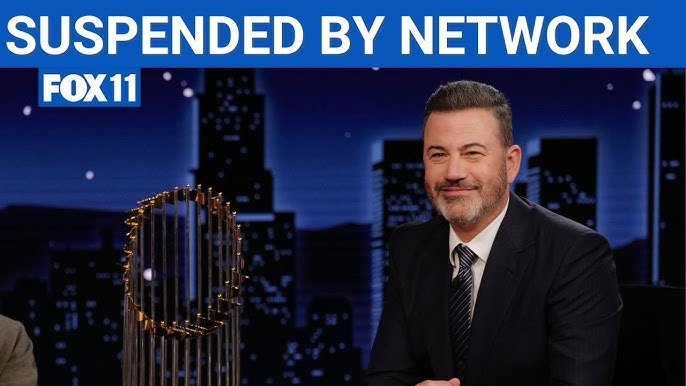
The Shift Toward Political Commentary in Late-Night Television
In recent years, late night talk shows have undergone a notable transformation, evolving from venues primarily focused on entertainment to platforms heavily infused with political commentary. This change became especially pronounced following the election of Donald Trump in 2016, an event that not only polarized the American populace but also decisively altered the landscape of television entertainment. Hosts who once relied on humor about everyday life and celebrity antics began to integrate sharp political satire and critique into their segments, motivated by a perceived obligation to respond to the prevailing socio-political climate.
As a result, many late-night shows are now characterized by monologues addressing current events, in-depth interviews with political figures, and panels discussing sociopolitical issues. This shift suggests an understanding among hosts that traditional themes of escapism may no longer resonate as powerfully with their audiences. Instead, viewers appear to seek a blend of humor and informed critique that reflects their anxieties and frustrations about the current state of politics. Indeed, audiences have played a crucial role in shaping this new direction, voicing their desire for content that not only entertains but also challenges and informs.
However, this evolution has not come without controversy. Critics argue that such a heavy focus on political commentary signifies a departure from the original purpose of late-night television as a form of escapist entertainment. The discussions surrounding this shift raise essential questions about the role of media and its responsibility in times of political upheaval. Some observers contend that while late-night shows may stray from their foundational intent, they also fulfill an essential function by fostering political awareness and engaging Americans in critical discourse. Ultimately, the crux of this shift reflects broader societal trends regarding entertainment, ideology, and the demands of an increasingly politically aware audience.
Evidence of Political Bias in Late-Night Humor
In recent years, there has been growing scrutiny regarding political bias in late-night talk shows, with various studies providing quantifiable evidence of this trend. A notable report issued by the Media Research Center in 2024 examined the content of multiple late-night programs, revealing a significant disparity in the targeting of political figures. Specifically, the study found that conservative politicians and public figures were the subject of jokes and critical commentary far more frequently than their liberal counterparts. This disproportionate focus suggests a tendency within the realm of late-night entertainment to favor one political ideology over another.
Upon comparison, this contemporary trend starkly contrasts with the political humor of iconic hosts such as Johnny Carson and Jay Leno, who were known for their more balanced approach. During their tenures, both comedians often refrained from explicitly favoring either side of the political spectrum, adopting a more inclusive style of humor that resonated with diverse audiences. As a result, viewers from varying political backgrounds felt more engaged and less alienated. This neutral stance allowed for greater camaraderie among late-night audiences, fostering a shared experience that transcended political affiliations.
The shift towards a more partisan style of humor raises substantial implications for audience perceptions. Research indicates that audiences often prefer content that aligns with their political beliefs, which can hinder their exposure to differing perspectives. Furthermore, the alienation of viewers who hold contrasting political views may contribute to a broader societal polarization. The findings from the 2024 Media Research Center report serve as a critical reminder of how late-night talk shows have evolved and the impact of this evolution on the political landscape, audience engagement, and the unifying potential of humor.
The Impact of Guest Selection on Late-Night Political Discourse
The guest selection process in late-night talk shows plays a crucial role in shaping the political discourse presented to audiences. Over the years, there has been increasing scrutiny regarding the political leanings of guests invited to these platforms. A report highlighting the guest composition in early 2025 revealed that an overwhelming majority of political figures featured were left-leaning. This trend raises significant questions about the implications such a skewed representation holds for audience perception and engagement with political ideologies.
When late-night talk shows predominantly host guests with similar political orientations, they inadvertently contribute to the reinforcement of existing biases among viewers. Audiences may come to see these shows as echo chambers, where diverse perspectives are limited, fostering polarized viewpoints rather than encouraging balanced discourse. The lack of representation from right-leaning guests may alienate certain demographic groups, thereby narrowing the reach of these shows and their influence on public opinion.
Moreover, the impact of guest selection extends beyond individual viewer experiences, affecting the larger political landscape. By providing platforms primarily to left-leaning figures, late-night talk shows risk marginalizing alternative viewpoints, perpetuating a cycle of political division. This narrowing of focus could ultimately shape the narratives that dominate public discourse and limit opportunities for meaningful dialogue across the political spectrum.
The demographic implications of these guest choices are noteworthy as well. Viewers who align with the political sentiments represented by the guests may become more engaged, while those who feel misrepresented might disengage from the medium altogether. This disparity can lead to a further entrenchment of ideological divides, making it more challenging for individuals to bridge gaps across differing political beliefs. Hence, the guest booking practices in late-night talk shows play a significant role in influencing audience engagement and the broader political conversation. Every choice made in this arena has the potential to contribute to a more fragmented or cohesive political environment.
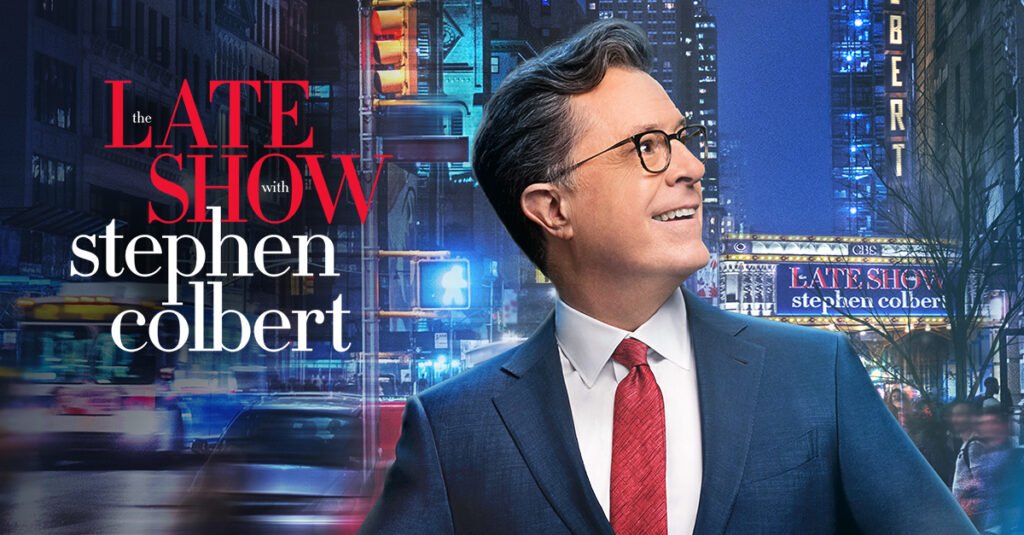
Controversies and Responses: The Current Landscape of Late-Night Politics
In the contemporary landscape of late-night talk shows, several incidents have emerged that underscore the contentious intersection of entertainment and political discourse. Notably, hosts such as Stephen Colbert and Jimmy Kimmel have found themselves at the center of significant controversies, often facing backlash for their politically charged humor. Recent episodes have elicited strong reactions from conservative circles, prompting discussions regarding the responsibilities of entertainers in their roles as commentators in a politically divisive environment.
One specific example involves Stephen Colbert, whose monologues frequently tackle pressing political issues. His segment addressing the COVID-19 pandemic drew criticism from various conservative commentators who perceived his jokes as inappropriate given the severity of the crisis. This backlash highlighted a broader trend where humor rooted in political commentary can alienate segments of the audience, leading to calls for more balanced or neutral entertainment. Furthermore, instances of show cancellations or temporary suspensions have occasionally occurred, further intensifying debates around editorial freedom and the boundaries of political satire in late-night programming.
Jimmy Kimmel has similarly navigated controversies, particularly pertaining to his parody of political figures, which has at times resulted in polarized audience reactions. Attention has been drawn to how these shows have shifted from mere entertainment into arenas that can strongly affect public perception and political ideology. Responses from conservative media have increased scrutiny over the integrity of these late-night platforms, arguing that the lean towards political commentary contributes to division rather than fostering a united audience. Just today, Kimmel was suspended by ABC and his future on the network is up in the air.
These controversies raise significant questions about the role of late-night television in shaping political dialogue. As these shows grapple with the balance of humor and advocacy, they become emblematic of more extensive societal debates on media influence and the responsibility that comes with public discourse in an increasingly polarized world.
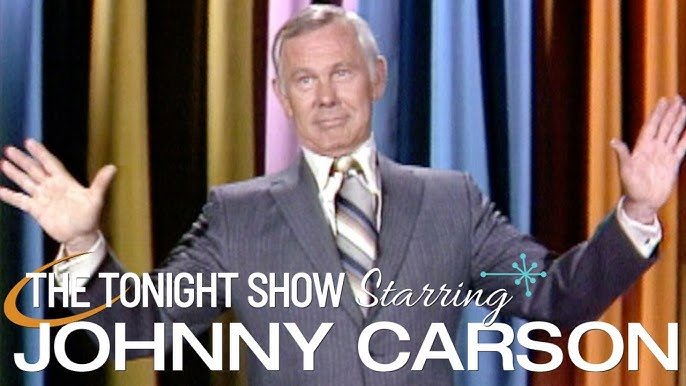
Johnny Carson’s Non-Political Legacy
Johnny Carson, a beloved late-night host, is often remembered for his charm and humor rather than for any political discourse. Throughout his tenure on ‘The Tonight Show,’ Carson adhered to a philosophy of avoiding overt political discussions. While known to be a liberal democrat, he actively kept his personal beliefs private. This created a welcoming atmosphere for viewers who appreciated the absence of political commentary during his shows. Many fans look back fondly on his era, reminiscing about the entertaining performances that took center stage.
Evolving Politics on Late-Night TV
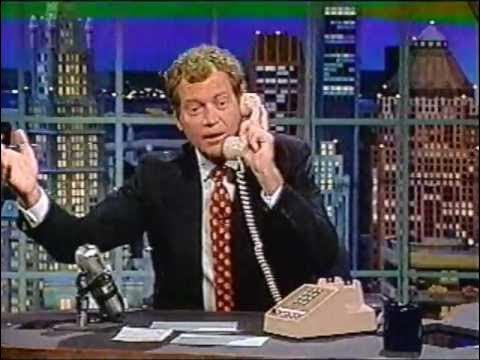
In stark contrast, David Letterman’s approach evolved considerably over time. The early years of his late-night career were marked by a similar avoidance of political topics, following the footsteps of his predecessor, Carson. However, after taking over the reins of the ‘Late Show’ in 1993, Letterman gradually became more politically vocal. His shift was not always straightforward, as his views were often subtle and not immediately clear to viewers. Nonetheless, he addressed prominent political issues, reflecting the changing landscape of television during his tenure.
Viewer Perception and Discussion
As Letterman’s political themes emerged, opinions among viewers diverged. Some appreciated his nuanced takes on contemporary issues, while others, including commentator Chris Matthews, argued that Letterman’s political positioning was often obscured. This perceptual disconnect emphasized the contrast between the political engagement of Letterman and the non-political stance of Carson. Even as audiences changed, Carson’s legacy of a political-free zone in late-night television remains cherished by many who miss that style.