
History and Careers of Don Imus and Howard Stern
Don Imus & Howard Stern: A Comparative Analysis of Two Titans of Radio Broadcasting
Introduction
The American radio landscape has been dramatically shaped by provocative, controversial, and pioneering personalities, none more enduring or influential than Don Imus & Howard Stern. Both men, labeled “shock jocks” for their brash and unapologetically boundary-pushing content, influenced not only their medium but also the broader culture, public discourse, and standards of media regulation. Yet, despite their shared penchant for stirring controversy, their styles, career trajectories, audience demographics, and legacies reveal remarkable differences. This comprehensive report explores their early days, seminal moments, signature styles, major controversies, personal and professional interactions—including their storied rivalry—and enduring impacts on the broadcasting industry. Drawing on an extensive array of sources, this report aims to provide a detailed, multi-faceted account suitable for scholars, enthusiasts, and professionals seeking to understand the evolution of modern American radio.
I. Don Imus: Career Evolution and Legacy
1. Early Beginnings in Radio
Don Imus, born John Donald Imus Jr. on July 23, 1940, in Riverside, California, came of age amidst both familial privilege and profound personal turmoil. His adolescence was marked by instability—his parents’ divorce at age 15, frequent moves, and academic difficulties. A stint in the United States Marine Corps from 1957 to 1959 gave him a semblance of discipline, yet after his discharge, Imus endured a patchwork of tough, blue-collar jobs and periods of homelessness.
Imus’s broadcasting career began somewhat fortuitously in 1968 at KUTY in Palmdale, California. He quickly made a name for himself with subversive on-air pranks, such as the now-famous hoax in which he ordered 1,200 hamburgers from a fast-food restaurant. Such antics, though sometimes resulting in termination, proved remarkably marketable, making Imus highly sought after by other stations. His restless drive took him through several positions—including a brief but impactful stop at KFIV in Modesto, California, and moves to KJOY Stockton, KXOA Sacramento, and WGAR Cleveland.
His radio persona was cemented during this period, characterized by a blend of irreverence, shock, and the creation of memorable on-air characters like evangelist Billy Sol Hargis. Billboard recognized his impact, naming him Air Personality of the Year for medium markets in 1970 and major markets in 1971.
2. Major Career Milestones
Rise to New York
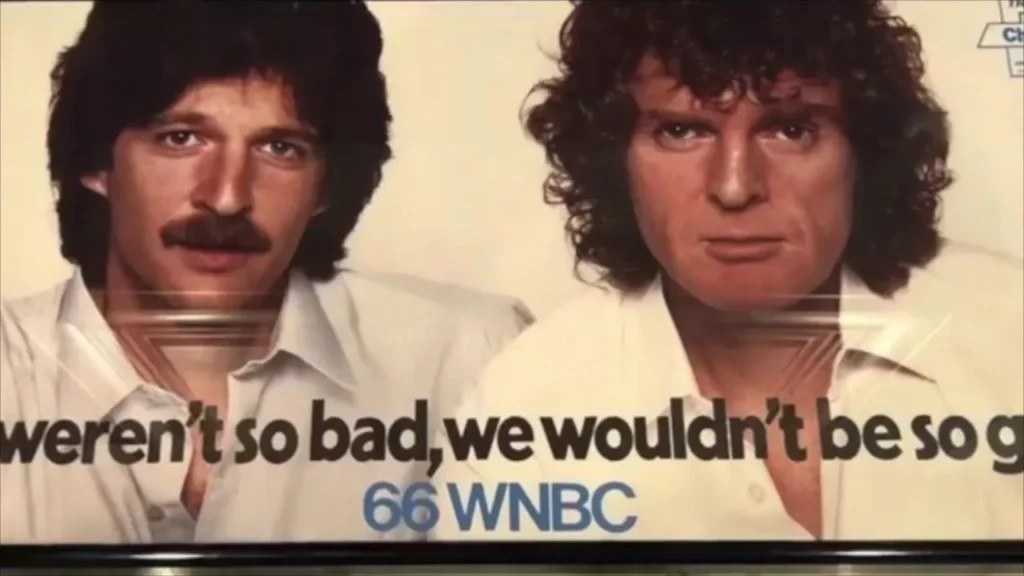
Imus’s move to New York’s WNBC in December 1971 marked the beginning of his national influence. “Imus in the Morning” debuted to immediate attention, and although his tenure was beset by personal struggles—including heavy drinking that led to his missing 100 workdays in 1973 and substantial drug abuse—the show’s blend of satire, shock value, and audience interaction changed the texture of morning radio in America.
Reinvention and Syndication
Following a firing from WNBC in 1977, Imus returned to Cleveland briefly but was rehired at WNBC in 1979. His show gained a new level of sophistication, incorporating topical political satire, interviews with influential journalists and politicians (e.g., Bill Clinton during his 1992 presidential run, Barack Obama, John McCain), and became a forum for political oddities, policy debate, and unvarnished opinion.
After WNBC left the air in 1988, Imus and his show moved to WFAN, eventually becoming nationally syndicated in 1993. At its peak, “Imus in the Morning” was broadcast on approximately 90 stations and was simulcast on cable television networks such as MSNBC and later RFD-TV and the Fox Business Network, bringing his brash style into millions of homes across America.
Honors and Philanthropy
Imus was inducted into the National Radio Hall of Fame in 1989. He was also a multiple Marconi award winner and, in 1997, was named by TIME magazine as one of the 25 most influential people in America.
Beyond broadcasting, Imus, alongside his second wife Deirdre, established the Imus Ranch in New Mexico in 1998—a philanthropic venture for children with cancer or serious illnesses. The ranch, though criticized for alleged financial inefficiencies, also received acclaim for its mission of restoring self-esteem to chronically ill children through participation in authentic ranch work.
3. Notable Controversies
The Rutgers Incident and Aftermath
Imus’s career was repeatedly marred by inflammatory and bigoted remarks. The most notorious controversy came in April 2007, when, during a discussion of the NCAA Women’s Basketball Championship, Imus referred to the predominantly Black Rutgers team as “nappy-headed hos”—a comment widely condemned as racist and sexist. Public and political backlash was immediate. Sponsors withdrew; CBS and MSNBC canceled his show; high-level political figures, including then-Senator Barack Obama, called for his firing.
Imus initially attempted to mitigate the damage but ultimately undertook a public apology tour, meeting with the Rutgers team and issuing statements of contrition. Despite this, the incident has been cited as a defining moment of disgrace in the history of American broadcasting, even as he was able to return to the airwaves on WABC radio in December 2007.
Persistent Pattern of Offensive Remarks
Other incidents throughout his career compounded his reputation for intolerance—a 1996 speech at the Radio and Television Correspondents Association Dinner offended President Bill Clinton; earlier, he’d referred to renowned journalist Gwen Ifill as a “cleaning lady,” and used anti-Semitic slurs against Howard Stern. His on-air hostility was often mirrored behind the scenes, with colleagues and subordinates describing him as intimidating and unpredictable.
4. Broadcasting Style and Persona
Don Imus’s style was unapologetically abrasive. He specialized in barbed satire, insult comedy, and the creation of recurring characters, blending political discourse with crude humor and social commentary. In his later years, his show became an essential stop for politicians and power brokers hoping to reach an influential, affluent, and highly educated male demographic.
However, Imus’s on-air persona was complicated by personal flaws—substance abuse, erratic behavior, and an often openly hostile attitude toward colleagues—resulting in a reputation for volatility. But his scathing wit, willingness to skewer sacred cows, and ability to create appointment radio for millions cemented his enduring appeal.
5. Audience Demographics
Imus’s audience was primarily composed of affluent, well-educated men, especially in managerial and decision-making positions. BusinessWeek identified his show as commanding higher advertising rates due to its more exclusive and influential listenership compared to mass-market counterparts. Despite being less widely syndicated than some peers, the show wielded outsized influence in political and media circles, particularly around New York and Washington D.C.
6. Influence on the Radio Industry
Imus was a foundational figure in “shock jock” radio, introducing New York—and soon the nation—to a new brand of acerbic, confrontational broadcast. His format blending news, politics, music, and comedy became a template replicated by subsequent radio personalities. He was instrumental in the growth of WFAN and the broader sports talk format, and his program’s success on television prefigured the later multimedia expansion of broadcast brands.
7. Philanthropy and the Imus Ranch
Philanthropy became a prominent part of Imus’s later life. The Imus Ranch (1998–2014) hosted children with cancer and SIDS, providing them an immersive cowboy experience intended to boost self-esteem. Though expensive to operate and occasionally accused of financial mismanagement or personal benefit extraction, its positive impact on participants and financial support from major corporations underscored Imus’s evolving public role.
II. Howard Stern: From Radio Rebel to King of All Media
1. Early Career and Radio Beginnings
Howard Stern, born January 12, 1954, in New York City, harbored a fascination with broadcasting from childhood. Inspired by radio professionals encountered through his father, Ben Stern—himself a recording engineer—Howard began experimenting with microphones and audio equipment in his family’s basement. His early influences ranged from talk radio hosts like Bob Grant to the cultural stylings of Don Adams and Larry Storch.
While at Boston University, Stern honed his on-air skills at campus radio station WTBU, co-hosting “The King Schmaltz Bagel Hour” and cultivating a taste for provocative, often controversial humor. After graduating magna cum laude in 1976, he took modest positions at WNTN in Newton, Massachusetts, and eventually secured a full-time role at WRNW in Briarcliff Manor, New York—a pivotal period in which he experimented with personality-driven broadcasting and rose to the station’s program director.
His subsequent stints at WCCC in Hartford, Connecticut, and WWWW in Detroit (where he won Billboard’s Album-Oriented Rock Personality of the Year in 1981), followed by a high-profile pairing with Robin Quivers at WWDC in Washington, D.C., accelerated his ascent. Together, their show’s mix of raunchy humor, audience participation, and candid interviews achieved substantial ratings gains, propelling Stern into the national spotlight.
2. Major Milestones
Breakthrough at WNBC and WXRK
Stern’s entry into New York’s WNBC in 1982 placed him in direct contact—and competition—with Don Imus. Their rivalry, sometimes bitter, sometimes performative, would become a recurring feature of both men’s careers. Stern’s show drew both powerful ratings and persistent friction with management over content, resulting in frequent suspensions and, ultimately, his firing in 1985.
Stern rebounded at WXRK (“K-Rock”), initially as an afternoon host before moving to mornings in 1986. This period marked the zenith of his terrestrial radio career—his show began syndication, expanding to 60 markets and eventually reaching more than 20 million listeners at its peak. In New York, “The Howard Stern Show” dominated morning ratings from 1994 to 2001. Nationally, he became the first host to simultaneously claim the top spot in both New York and Los Angeles.
Syndication, Books, and Multimedia Expansion
Stern parlayed his radio success into a range of media ventures. Notably, his autobiography “Private Parts” (1993) debuted atop the New York Times bestseller list, selling over a million copies and later adapted into a 1997 film starring Stern and his core team. The film became a box office hit and further cemented Stern’s pop culture status.
Stern’s programming migrated to television, including long-running shows on E! (filming studio highlights for eleven years), pay-per-view events, and digital video content. In 2006, his boldest move yet awaited: a five-year, $500 million deal with Sirius Satellite Radio, which allowed him to bypass FCC regulations and enjoy creative freedom previously unavailable on terrestrial radio. This shift to satellite preceded a massive increase in SiriusXM subscribers and set a precedent for the industry’s digital migration.
3. Controversies
Howard Stern’s career has been defined, and perhaps propelled, by controversy. Regardless of the medium, his boundary-pushing stance on censorship, sexuality, race, and celebrity often transgressed prevailing standards.
FCC Fines and Public Outrage
Between 1990 and 2004, the FCC issued $2.5 million in fines to stations broadcasting Stern’s material, the most ever for any American broadcaster. These fines stemmed from segments involving sexual discussions, racial jokes, and celebrity parodies deemed indecent under federal guidelines—a battle that Stern frequently engaged with both on and off air, using his platform to lambaste what he saw as censorship and governmental overreach.
High-Profile Incidents
Iconic moments include Stern’s insensitive comments about the deaths of Selena and victims of Columbine, racially charged jokes about Aunt Jemima, and various misogynistic on-air stunts. Infamously, Stern aired doctored audio clips of Dolly Parton, harassed celebrities, and made news with interviews that crossed perceived ethical lines, as with the late actress Dana Plato. These incidents simultaneously drew fierce criticism and secured loyal listenership, reinforcing his outsider status.
4. Broadcasting Style and Persona
Howard Stern is foremost identified with the “shock jock” label, but his on-air style is more nuanced, blending unvarnished self-disclosure, crude humor, and candor about sex, relationships, and power. He pioneered deeply personal radio, often exposing his vulnerabilities, mental health struggles, and internal insecurities alongside outrageous comedy. Stern’s interviewing style—fearlessly direct, occasionally adversarial—elevated the art of the interview and provided listeners access to previously hidden facets of celebrity and public life.
Over time, as the political and social climates shifted, Stern’s style evolved, moving from anarchic boundary-pushing toward more introspective, in-depth conversations, particularly after transitioning to uncensored satellite radio.
5. Audience Demographics
At its height, Stern’s audience included a broad cross-section of Americans, but skewed strongly male (over 73%), 25-54 years old, predominantly white (over 80%), affluent, and with significant numbers of college graduates. With the transition to satellite, his audience became smaller but more dedicated, with a contemporary drop to approximately 125,000-150,000 daily listeners due to changing media consumption patterns and shifting show content. Nonetheless, his audience’s purchasing power and brand loyalty have made his show a perennial target for advertisers.

6. Influence on the Broadcasting Industry
Howard Stern is universally recognized as a transformative figure in American media. He mainstreamed shock radio, radically enhancing the cultural profile of talk radio and paving the way for confrontational, personality-driven content on both radio and television. His move to satellite radio redefined expectations for creative freedom in broadcasting and catalyzed the boom in podcasting and on-demand digital audio content.
He was the first radio host to leverage radio, books, television, and film—an achievement he summarized self-referentially as being the “King of All Media.” His commercial model and cross-platform strategies have been adapted by modern media figures from Joe Rogan to podcasters across the political spectrum.
7. Multimedia Expansion
Stern’s ventures extended far beyond radio. His two best-selling books—“Private Parts” and “Miss America”—together sold over 2 million copies. “Private Parts” the film was a box office hit and remains a pop culture touchstone. On television, he helmed the E! show, pay-per-view specials, and later joined “America’s Got Talent” as a judge, introducing him to new generations and demographics.
Partnerships with SiriusXM have included Howard TV, streaming video, and direct-to-consumer offerings, showcasing his adaptability in the evolving digital content landscape.
III. Interactions and Rivalry: Imus and Stern in Context
1. Origins and Evolution of the Rivalry
The rivalry between Don Imus and Howard Stern emerged naturally. Both occupied WNBC in New York during the early 1980s, with Imus as the established morning host and Stern, the brash newcomer, as the afternoon act. While Imus acknowledged his role as a mentor to Stern in contemporary interviews, their relationship quickly devolved into public insults, on-air barbs, and mutual antagonism:
- Imus reportedly called Stern anti-Semitic slurs and dismissed him in various interviews, while Stern routinely mocked Imus’s appearance, style, and alleged racism.
- Stern, after Imus’s firing over the Rutgers controversy, publicly reminisced about his time at WNBC, recounting racist and inappropriate incidents, alleging a pattern of behind-the-scenes bigotry.
Their interactions, sometimes heated and sometimes comically staged, spanned decades—culminating in a 2003 on-air spat where Stern called Imus’s show and openly threatened to divulge personal information. Although both host’s careers later mellowed, old wounds often resurfaced when one made headlines.
Despite this animosity, both men ultimately recognized each other’s pivotal roles in the industry, and Imus even ranked Stern among the top five radio broadcasters of all time in interviews upon his retirement.
2. Key Points of Contrast and Convergence
- Content: Imus’s show, especially from the 1990s onward, leaned toward political interviews, societal commentary, and a less overtly raunchy tone; Stern leaned harder into explicit content and personal revelations.
- Audience: Imus excelled with upscale, politically connected listeners; Stern dominated mainstream male entertainment demographics at scale.
- Controversies: Both were repeatedly “canceled,” but Imus was undone by outright racial slurs, while Stern kept bouncing back from (and leveraging) his scandals as part of the show’s mythology.
- Adaptation: Stern’s transition to satellite radio was a masterclass in adaptation; Imus, though successful on both terrestrial and satellite, never matched Stern’s multi-platform reach.
3. Media Reflections and Legacy
Retrospectives have been mixed. Some fans and critics see Stern as distancing himself from his early, provocative roots and evolving into something more mainstream—echoing, ironically, the final years of “Imus in the Morning.” Some Reddit and fan forum discussions claim Stern has “become Imus” in his later years—less edgy, more introspective, and with a shrinking but loyal following. Both hosts, however, are acknowledged as central to the story of American radio.
IV. Comparative Career Overview Table
| Aspect | Don Imus | Howard Stern |
|---|---|---|
| Early Radio Beginnings | 1968, KUTY Palmdale, CA; multiple CA, OH | 1975, WNTN, WTBU/WRNW, WCCC, WWWW, WWDC |
| First Big Break | 1971, WNBC New York, “Imus in the Morning” | 1982, WNBC New York; 1985 WXRK, “Howard Stern Show” |
| National Syndication | 1993 via WFAN/CBS | 1986, WXRK, 60 markets, 20M listeners peak |
| TV Crossover | MSNBC, Fox Business, RFD-TV simulcasts | E! Network, pay-per-view, “America’s Got Talent” |
| Signature Style | Political satire, character voices, insult | Shock radio, candid interviews, explicit humor |
| Audience Demographics | Affluent, educated, decision makers | 73% male, 25–54, $160k avg. income, mostly white |
| Peak Listenership | 1.6–2 million weekly listeners | 20 million peak, now approx. 125k-150k |
| FCC/Controversies | Rutgers comments, racist/sexist barbs | $2.5M FCC fines, multiple high-profile scandals |
| Awards | 4 Marconi, 1989 Radio Hall of Fame | 8x Billboard Air Personality, 2012 Radio Hall |
| Philanthropy | Imus Ranch for ill children | Various, including North Shore Animal League |
| Multimedia Expansion | Ranch foods, books, TV/radio simulcasts | Films, books, TV shows, satellite/digital apps |
| Influence | Pioneered ‘shock jock’, talk/sports blend | Redefined media, podcast/satellite radio pioneer |
| Relationship | Frenemies: Public rivalries and mutual influence | Same |
| Departure from Air | Retired 2018, died 2019 | Still active (as of 2025), future uncertain |
Don Imus’s and Howard Stern’s careers mirror significant shifts in American media, redefining limits, expanding the public sphere for humor and opinion, and challenging institutions from the FCC to network television. While both men fostered controversy and were occasionally undone by their excesses, they remain iconic as disruptors, innovators, and ultimately, survivors who—despite their rivalry—each left an indelible mark on radio and broader American culture.
V. Analysis and Contextual Commentary
1. Impact on Public Discourse and Media Standards
Both Imus and Stern served as lightning rods for debates about censorship, freedom of speech, and the evolving boundaries of propriety in mass media. Their conduct provoked legal challenges, F.C.C. regulatory actions, and boycotts, but their enduring popularity testified to a lingering appetite for confrontational, taboo-challenging content among American audiences.
Stern’s frequent and frontal challenges to the FCC, epitomized by the “FCC Freedom Rally,” changed the regulatory landscape—eventually encouraging the “safe harbor” rules and, ultimately, the migration of controversial content to satellite and streaming platforms. Imus’s high-profile firings and subsequent returns, including the remarkable swiftness with which he was reinstated following the Rutgers scandal, illustrate both the resilience of the shock jock model and its financial attractiveness to networks and advertisers, even as social mores shift.
2. Survival and Adaptation in New Media Environments
Stern’s migration to SiriusXM, though initially derided by some as a retreat, proved prescient in an age of podcasting and subscription-based audio. It granted creative freedom, introduced a subscription model for non-mainstream audio content, and gave rise to a prolific platform for personal reinvention. Imus’s decision to simulcast and syndicate, meanwhile, expanded his reach and contributed to the fusion of radio and television audiences.
However, neither host has been immune to the pressures of an evolving demographic landscape and the fragmentation of media. Stern’s audience has by some estimates dropped from 20 million to under 150,000, highlighting the challenges even the most iconic personalities face in retaining relevance amid digital disruption and generational shifts in taste.
3. Cultural and Political Legacy
Imus and Stern were not mere entertainers; they wielded real influence in politics, media, and pop culture. Imus’s morning program became a “must-stop” for politicians vying for influence, while Stern’s outsider status often gave voice to the unspoken or uncomfortable, democratizing public discourse (for better or worse).
Retrospectively, the legacy of both men is complex—a blend of accomplishment, excess, cultural progress, and reaction. For every listener inspired by their candor and wit, others remain appalled by their cruelty or offensiveness. Yet, as Imus himself reflected, “If we weren’t so bad, we wouldn’t be so good,” a statement equally true of both careers.
Conclusion
Don Imus and Howard Stern represent not just the apex of shock radio, but also the paradoxes inherent in American media—between free expression and responsibility, innovation and offense, legacy and obsolescence. Imus, with his political gravitas and unvarnished satire, and Stern, with his relentless self-exposure and rule-breaking wit, each transformed radio into a platform for entertainment, revelation, and provocation. Their rivalry sharpened their acts, broadened their reach, and embodied the high stakes of live, unfiltered broadcasting.
Their influence endures well beyond their on-air hours, shaping how Americans discuss politics, sex, culture, and even the boundaries of public speech itself. As technology and taste continue to evolve, their careers offer enduring lessons about adaptation, influence, and the price—and privilege—of provocation at the cultural forefront.